 Oris
Oris Piyay Paryaj, a name that resonates with the rich tapestry of cultural heritage, signifies more than just a tradition; it embodies the intricate relationship between people, their environment, and their beliefs. Originating from the lush landscapes of its native region, this practice is steeped in history and continues to evolve, reflecting the dynamic nature of cultural expressions. As we delve into the fascinating world of Piyay Paryaj, we will explore its origins, rituals, symbolic meanings, and the profound cultural significance it carries in contemporary society.
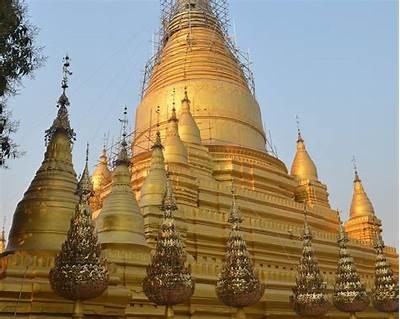
Piyay Paryaj traces its roots back centuries, originating from ancient agricultural practices and rituals designed to honor the earth's fertility. In many communities, this tradition is linked to specific seasons and agricultural cycles, serving as a reminder of the interdependence between humans and nature. Historical records suggest that Piyay Paryaj was celebrated during the harvest season, marking the end of challenging times and the beginning of abundance. Over time, these celebrations have been documented in oral literature, traditional songs, and local folk tales, solidifying their importance in cultural memory.
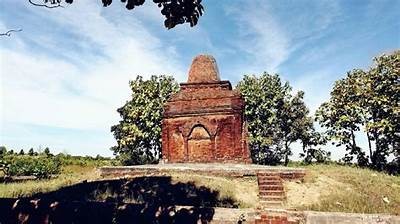
The rituals of Piyay Paryaj are as diverse as the cultures that practice them. Many preparations involve elaborate ceremonies, communal gatherings, and vibrant celebrations. Families come together to engage in collective activities, such as preparing traditional dishes, decorating spaces with local flora, and singing folk songs that narrate the stories of their ancestors. The focal points of these celebrations often include symbolic acts of gratitude, such as offering prayers to deities believed to govern fertility and abundance. These rituals not only foster a sense of communal identity but also reinforce the value of gratitude and stewardship towards nature.

The symbolism embedded in Piyay Paryaj extends beyond the immediate acts of celebration. Each ritualistic element serves as a conduit for deeper meanings and cultural narratives. For instance, the foods prepared during Piyay Paryaj are often laden with symbolism, representing fertility, prosperity, and the cyclical nature of life. Certain flowers and plants used in decorations symbolize rebirth and renewal, reinforcing the bond between the community and the land. Moreover, the songs and dances performed often contain layers of meaning that reflect the socio-political context of the community, allowing for the preservation of cultural identity and the transmission of history to future generations.

In the face of globalization and modernization, Piyay Paryaj has faced numerous challenges. Urbanization and shifting cultural norms have led to the dilution of traditional practices in some areas. However, many communities are actively working to revitalize their cultural heritage by adapting Piyay Paryaj to modern contexts. This includes the incorporation of new forms of expression, such as theater and digital storytelling, to reach younger audiences. Furthermore, there is a growing recognition of the importance of such traditions in promoting cultural diversity and sustainability. As communities seek to maintain their unique identities, Piyay Paryaj has emerged as a powerful symbol of resilience and continuity.
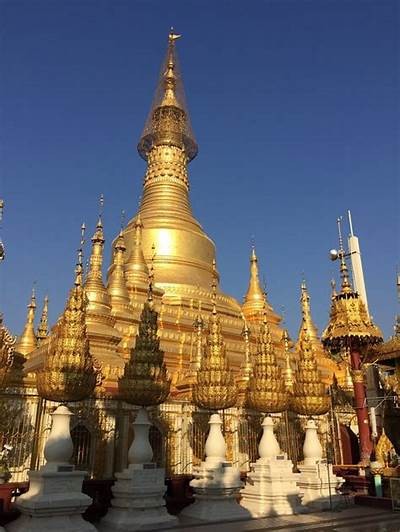
Education plays a pivotal role in the preservation of Piyay Paryaj. Traditional knowledge is passed down through generations, often through informal means such as storytelling and participation in community events. However, formal educational initiatives can significantly enhance this transmission. Workshops, cultural festivals, and partnerships with educational institutions are being established to promote awareness and understanding of Piyay Paryaj. Such initiatives not only imbue younger generations with pride in their heritage but also foster intergenerational dialogue, ensuring that the cultural significance of Piyay Paryaj endures. Global Recognition and Adaptation
As communities around the globe seek to highlight their cultural uniqueness, Piyay Paryaj has found a place on the international stage. Cultural exchanges, global festivals, and social media platforms have facilitated broader recognition of this tradition, allowing it to transcend geographical boundaries. People from various backgrounds are drawn to the authenticity and richness of Piyay Paryaj, often integrating its elements into their own cultural practices. This cross-cultural appreciation enhances mutual respect and understanding among diverse communities, showcasing the universality of themes such as gratitude, abundance, and community. Conclusion: A Living Tradition
Piyay Paryaj is more than a festival; it is a living tradition that encapsulates the heart of cultural heritage. Its ability to adapt and thrive in the contemporary world speaks volumes about the resilience of human creativity and the enduring bond between people and the earth. As we continue to explore and celebrate Piyay Paryaj, let us recognize its profound cultural significance not only for those who practice it but for the global community as a whole. By honoring traditions like Piyay Paryaj, we actively contribute to a richer, more diverse world, where cultural narratives are preserved and celebrated for generations to come.